Component-Based Content System (Gutenberg-Aligned Architecture)
Context
This project began as a static React interface and was redesigned into a dynamic,
data-driven content system focused on scalability, usability, and performance.
It explores how to design reusable, structured UI components that support dynamic, data-driven
content—similar to how modern WordPress systems rely on Gutenberg blocks and modular content architecture.
The goal was to create an interface capable of handling structured, high-volume
content (NFT collections) while maintaining a responsive and intuitive user
experience—similar to modern content platforms built on modular systems like WordPress Gutenberg.
What I Built
The system is designed around modular components that can be composed flexibly; mirroring how Gutenberg blocks are structured. Each component is isolated, reusable, and designed to support structured content inputs.

Carousel-based navigation enabling content discovery across categories, designed for flexible reuse across content types.
-
Reusable Card System
Designed a flexible card component used across carousel and grid views to display NFT metadata consistently.

A single card component powers multiple contexts (carousel, grid, detail previews), ensuring consistency and scalability.
-
Carousel-Based Content Exploration
Implemented a scrollable, animated carousel to support content discovery and prioritization.
-
Dynamic Routing
Built route-based navigation allowing users to drill down into individual creators and their associated content.
-
API-Driven Data Layer
Integrated external data sources to dynamically populate content, replacing static data with scalable content flows.
-
Skeleton Loading States
Introduced loading placeholders to improve perceived performance and maintain layout stability.
-
Pagination & Content Scaling
Structured data handling to support larger datasets without degrading performance.
Architecture Thinking
This system was designed around modular, composable systems that enable non-technical teams to assemble content dynamically that can be composed flexibly depending on content needs.
Key decisions:
-
Isolated UI components for reuse across contexts
-
Clear separation between data fetching and presentation
-
Structured data inputs to support consistent rendering
-
Scalable routing patterns for expanding content relationships
This approach ensures the system can grow without requiring major refactors—mirroring how scalable content platforms are structured.
Components were designed to be composable—allowing different content structures to be assembled dynamically without requiring new development, similar to how editorial teams use block-based systems in WordPress.
How This Maps To WordPress
This architecture translates directly into modern WordPress development:
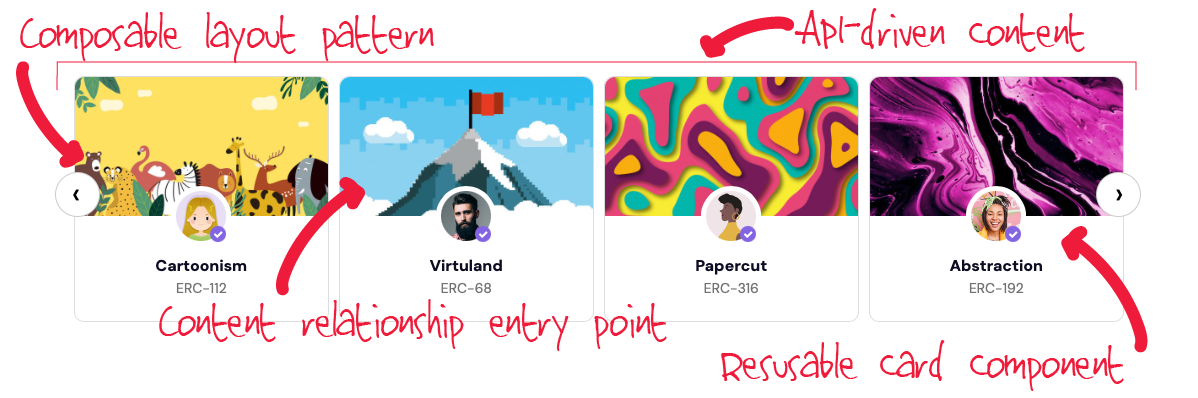
Carousel-based navigation enabling content discovery across categories, designed for flexible reuse across content types.
-
React Componenets → Gutenberg Blocks
Each UI component can be implemented as a reusable block.
-
Component Props & State → Block Attributes
Structured data passed into components aligns with how blocks manage content.
-
API Integration → WP REST API / Headless WordPress
The data layer mirrors how WordPress serves structured content externally.
-
Dynamic Routing → Content Relationships (Posts, Authors, Taxonomies)
Drill-down navigation reflects how content is organized and queried in WordPress.
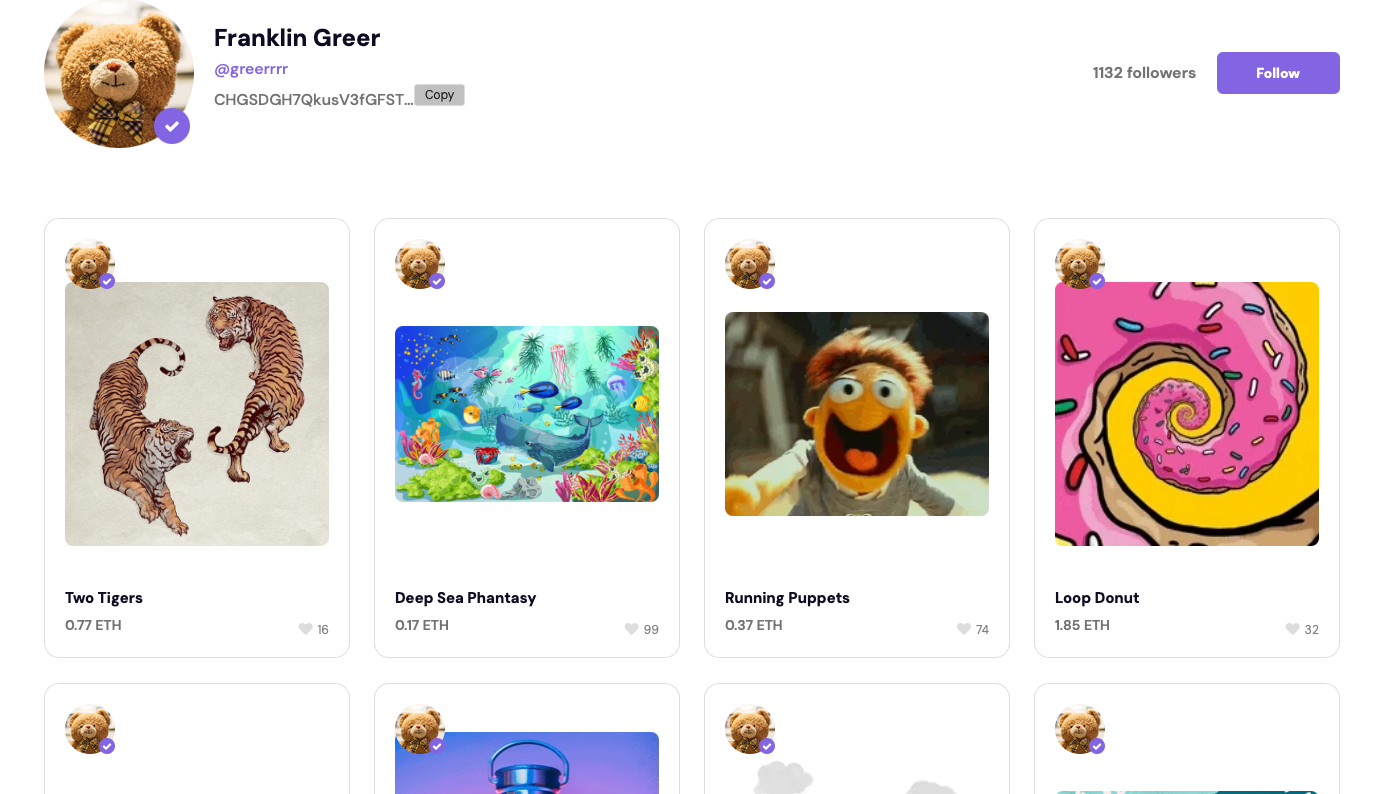
Route-based navigation allows users to explore content relationships (e.g., creator → collection), mirroring structured content models used in CMS platforms.
-
Reusable Layout Patterns → Block Compositions
Carousel and grid systems map to flexible block-based layouts.
Performance Considerations
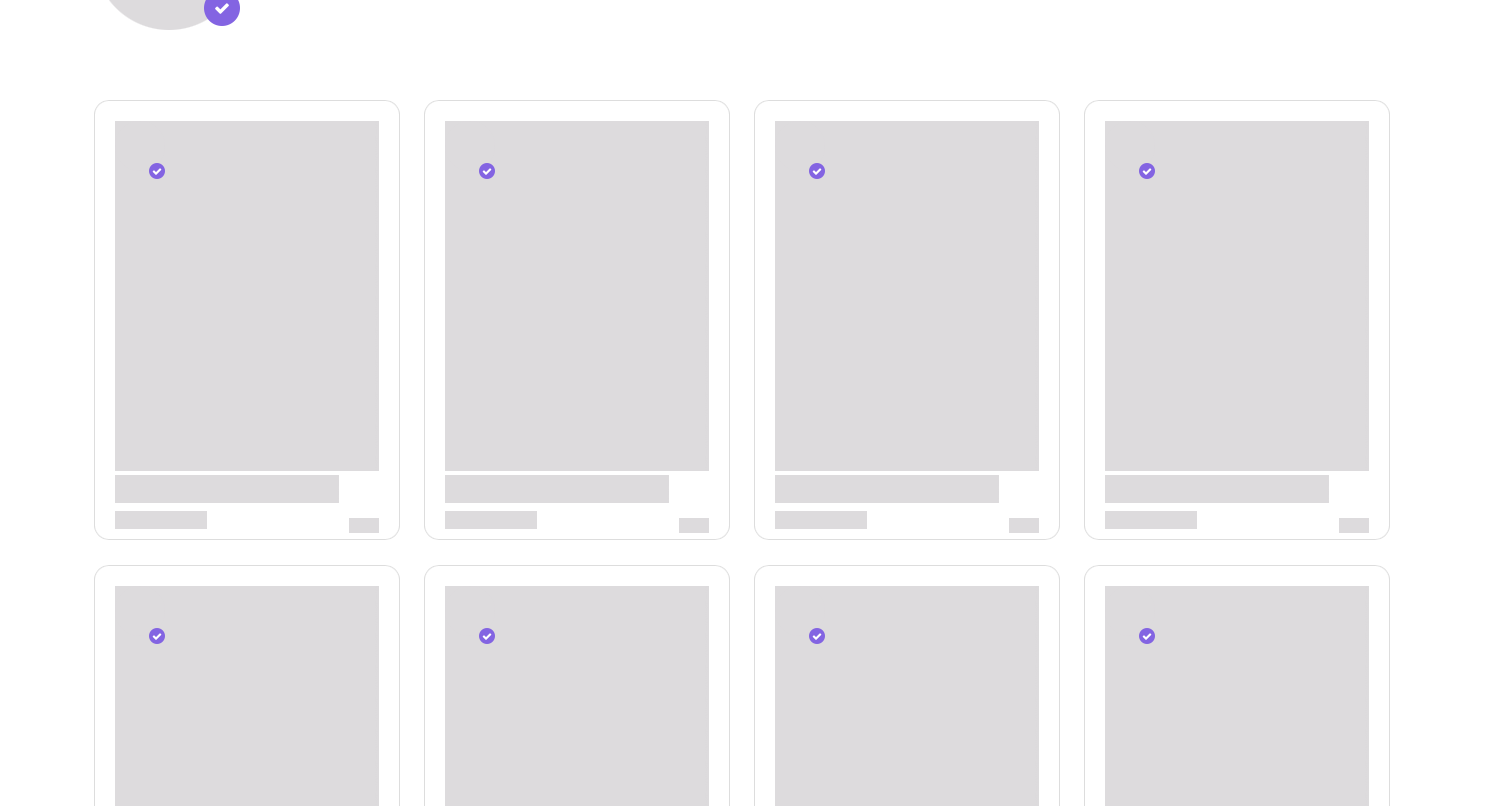
Skeleton loading states maintain layout stability and improve perceived performance during asynchronous data fetching.
-
Implemented skeleton states to improve perceived load speed
-
Structured rendering to minimize unnecessary re-renders
-
Designed for incremental data loading (pagination)
-
Considered scalability for high-volume content environments
The system was designed with high-traffic scenarios in mind, ensuring efficient rendering and scalable data handling patterns.
Content & Editorial Impact
The system was designed to support rapid content iteration by separating structure from presentation. This allows new content configurations to be created without modifying core components—an approach that aligns with high-output editorial environments.
Design & UX Considerations
Careful attention was given to spacing, typography, and motion to create a clear visual hierarchy. Animated transitions and carousel interactions were used to guide user attention without overwhelming the interface, ensuring a balance between engagement and usability.
Outcome
This project demonstrates how component-based frontend architecture can support scalable,
data-driven content systems.
It also highlights how modern frontend patterns translate directly into WordPress
environments—particularly in Gutenberg-based builds where modularity, performance, and
editorial flexibility are critical.
This approach is particularly relevant for platforms like Clever, where large volumes of
structured content must be generated, maintained, and optimized efficiently.